

Turkey's Flying Car
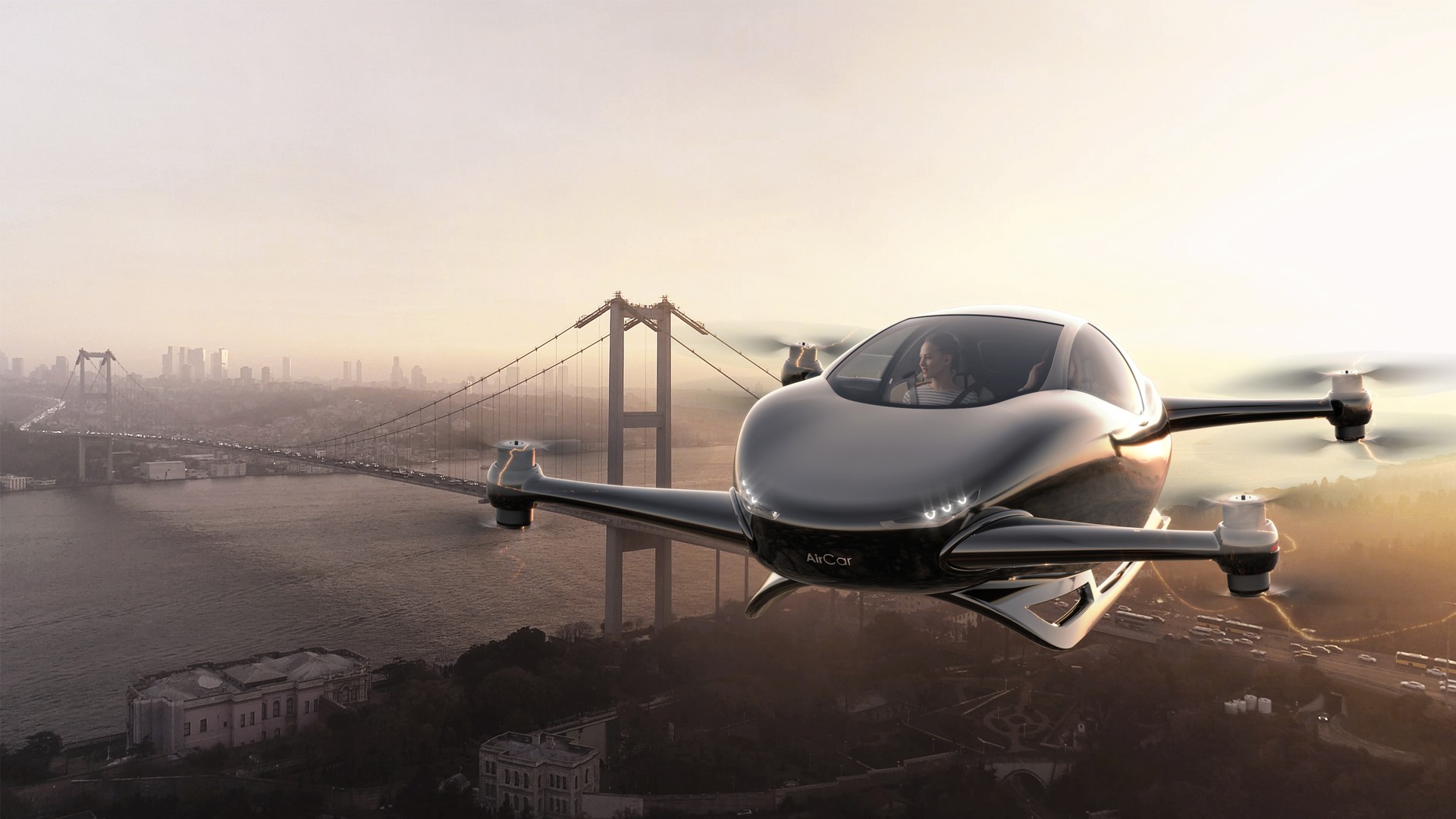
AirCar, Turkey's first domestically produced flying car, has officially begun crewed flight trials. Developed in the northwestern province of Kocaeli—a major hub for the country's automotive and tech industries—the project has marked a significant milestone, placing Turkey among a select group of just five companies worldwide currently operating in this field, according to a report by ?hlas News Agency (IHA).
Project founder Eray Altunbozar shared that test flights began about a month ago. "The Bosporus corridor in Istanbul is ideal for AirCar operations. It allows low-altitude crossings and opens up access to the Princes’ Islands. We aim to transport both cargo and passengers to remote and hard-to-reach areas across Turkey," said Altunbozar.
An electrical and electronics engineer educated in the U.S., Altunbozar returned to Türkiye and launched the AirCar project from his workshop in Bili?im Vadisi (Informatics Valley) in Kocaeli.
Two Versions, Electric Powered AirCar
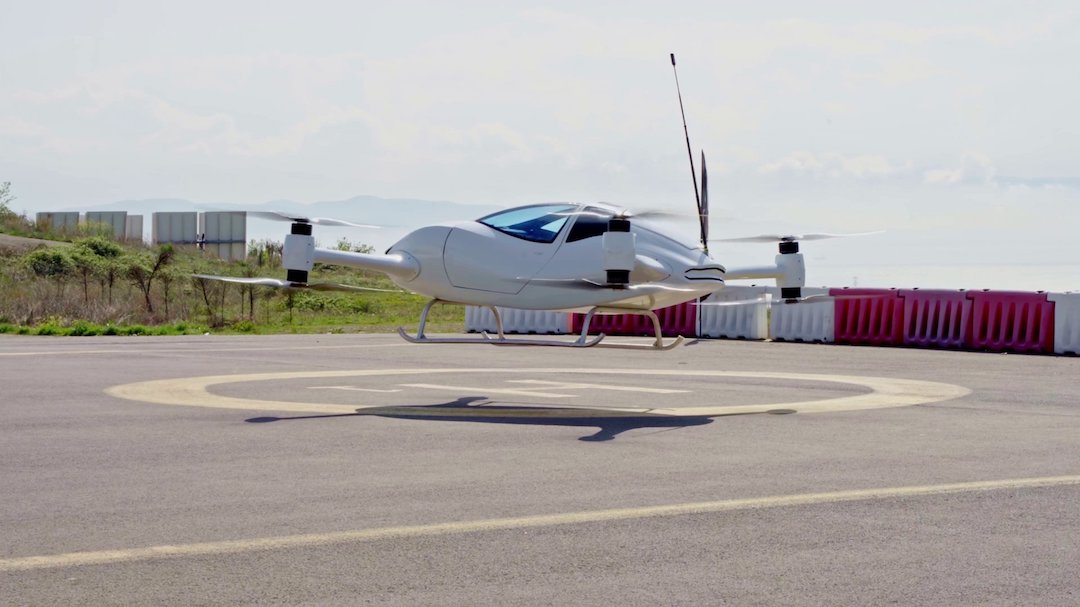
There are currently two AirCar models: a single-seater and a two-seater. "We’ve conducted extensive test flights with the single-seater model. Now, we’ve started crewed trials with the two-seater version, which can carry up to 200–220 kilograms and is designed for a range of 50 kilometers (31 miles). While we haven’t tested the full range yet, those trials are on the horizon," he said.
The AirCar is fully electric and features autonomous capabilities, though current regulations require a pilot onboard. "That’s why the vehicle includes a joystick. With about 30 hours of training, users will be able to operate it. We plan to offer it initially for personal use, with future potential as an air taxi," Altunbozar explained.
Why Electric?
Altunbozar noted the decision to go electric was strategic. “We could have opted for a fuel-based system, which would increase the range to 150 kilometers. But electric technology is evolving rapidly, and the global trend is moving away from fossil fuels. By the time we enter the market, battery technology will be even more advanced.”
He added, “Our thinking was: if we invest in the right technology at the right time, we’ll be in the right place when the market is ready. We’re happy with our choice to go fully electric.”
The Future of Air Mobility
While flying cars and air taxis are still navigating global regulatory challenges, the technology continues to draw significant attention as a futuristic solution to urban congestion and short-distance transport. For example, Volocopter—a well-known urban air mobility company—was unable to gain flight clearance during the last Olympic Games in Paris.
Nonetheless, vertical take-off and landing (VTOL) aircraft like AirCar drew major interest at this year’s Shanghai Auto Show, highlighting the growing global momentum in the air mobility space.